Team
Heike Stein
Group leader
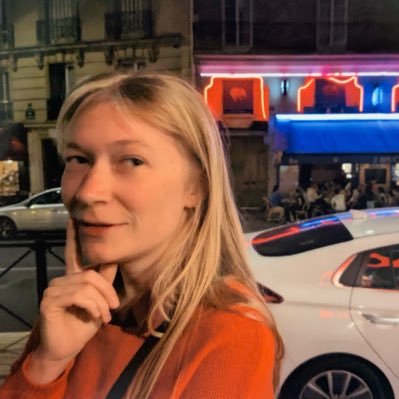
I'm a computational neuroscientist interested in data-driven modeling of behavioral dynamics and its neural control. My long-term goal is to develop models that are useful for understanding neural computation in increasingly naturalistic contexts. Before starting as a CNRS researcher at the Institute for Intelligent Systems and Robotics (ISIR) at Sorbonne Université, I was a postdoc in Alex Cayco-Gajic's lab at ENS, where I developed tools for large-scale neural data analysis and modeled locomotion in complex environments. During my PhD at Universitat de Barcelona in Albert Compte's lab, I studied the role of NMDA receptor hypofunction in working memory performance and trial history biases.
Download CV
Sepehr Saeedpour
Research engineer
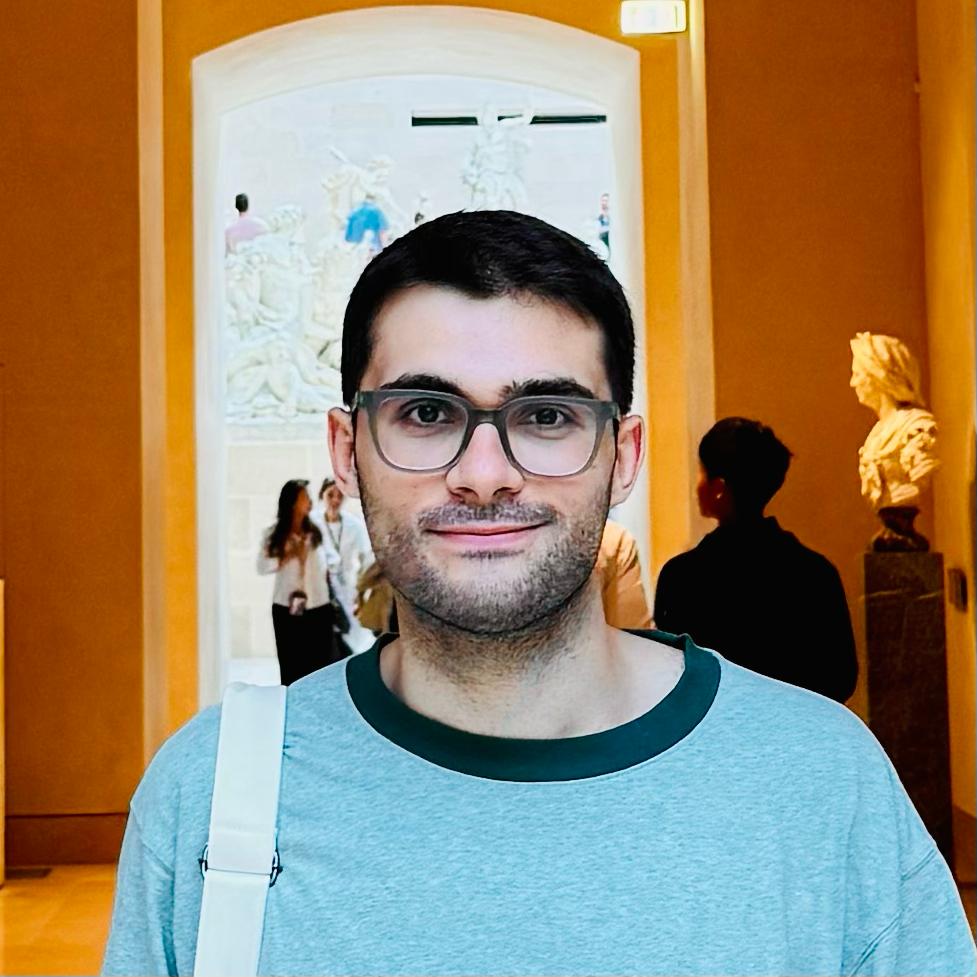
I am a Computational Neuroscience M.Sc. student at ENS-PSL. I am broadly interested in questions where abstract mathematics intersects with something recognizably alive. These days, I develop Gaussian Process state space models (GP-SSMs) to characterize the dynamics of head-direction circuits. These circuits integrate vestibular signals and visual landmark information to maintain a stable internal estimate of heading and the central question of my work is how these input streams interact to govern the accuracy, robustness, and reorientation of the population-level representation.
Bennet Sakelaris
Postdoc
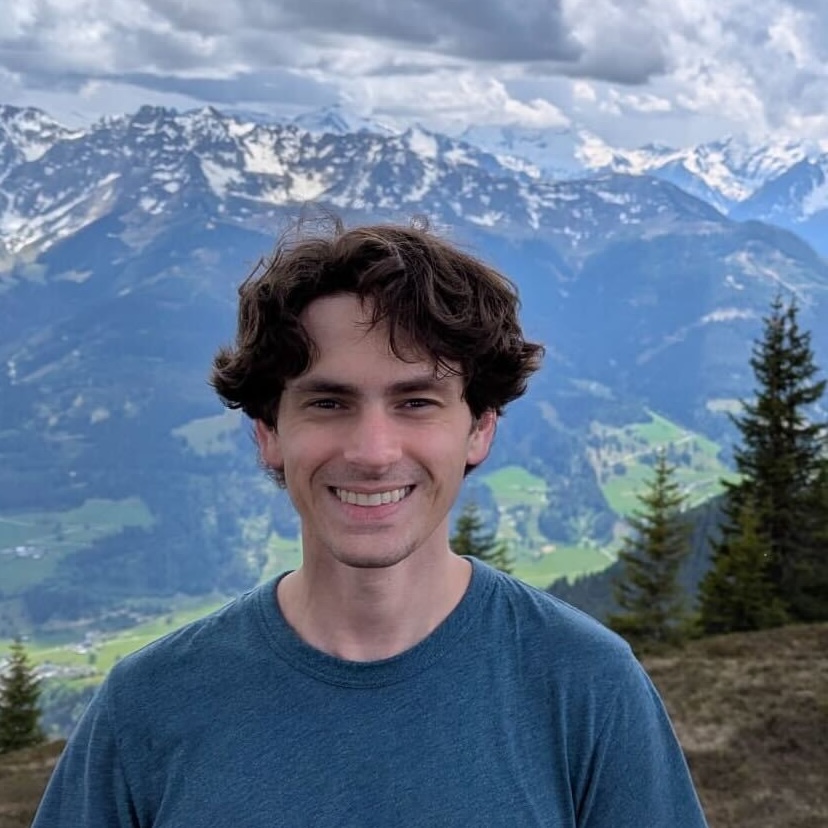
I am a postdoctoral researcher working on data-driven modeling of neural activity. I am broadly interested in understanding how neural circuits generate behavior, learn from experience, and maintain stable representations in changing environments. Previously, I completed my PhD in Applied Mathematics at Northwestern University under the supervision of Hermann Riecke, where I studied a range of biological systems, including learning the olfactory system, transcriptional dynamics in yeast, and whole-brain activity in C. elegans.
Saruhan Mete Gürbüz
Master student (M2)
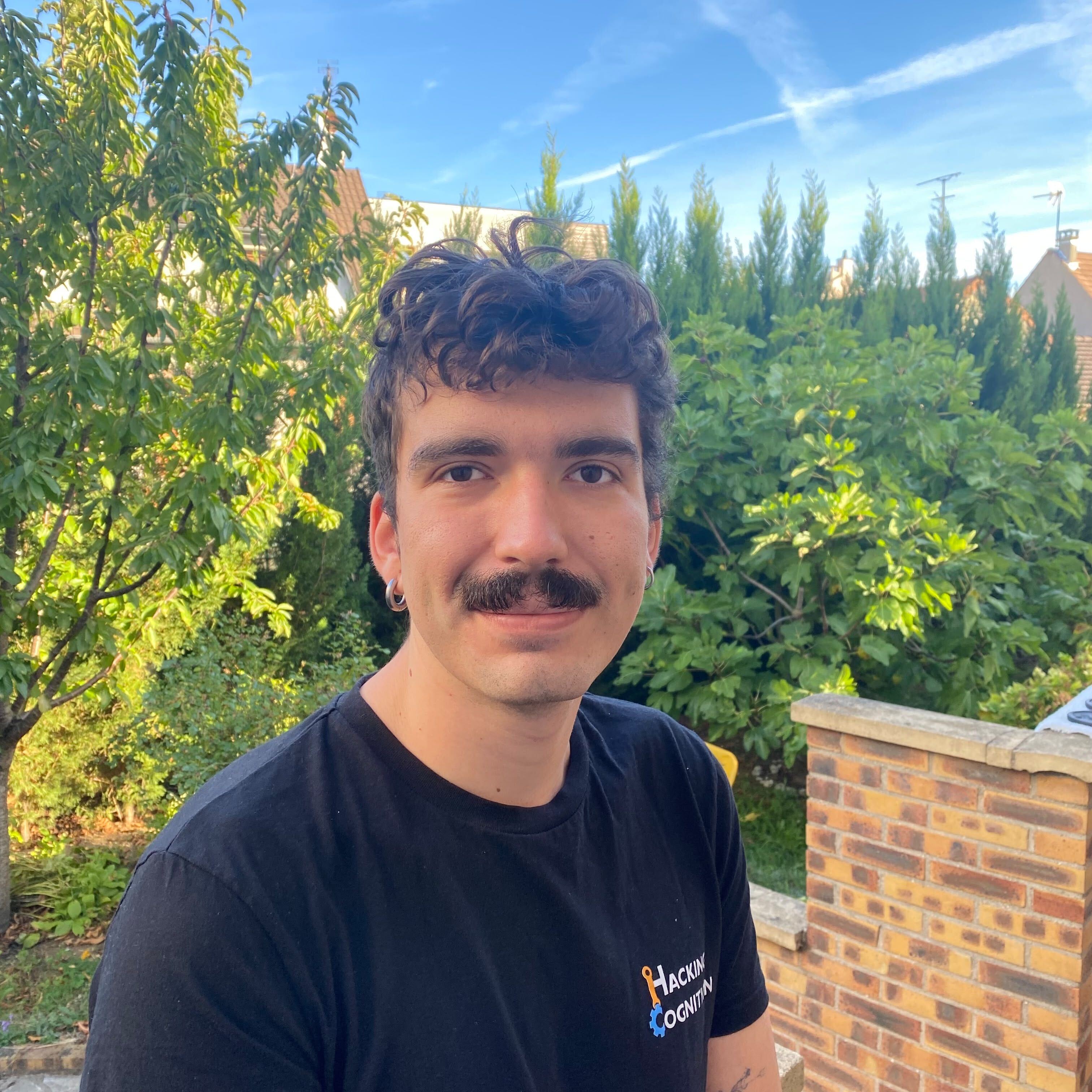
I am a Computational Neuroscience M.Sc. student at Sorbonne Université with a computer engineering background. I am broadly interested in how neural dynamics generate behavior and how to infer their low-dimensional nature using machine learning. Now, I am studying the dynamics of primary motor cortex during naturalistic reaching using Gaussian Process State Space Models(GP-SSMs). Contrary to highly stereotyped reaches with imposed delay periods, naturalistic reaches have no clear trial structure or repeated conditions, and my work is on how single-trial latent dynamics relate to behavior.
Pratitee Ghosh
Master student (M1)
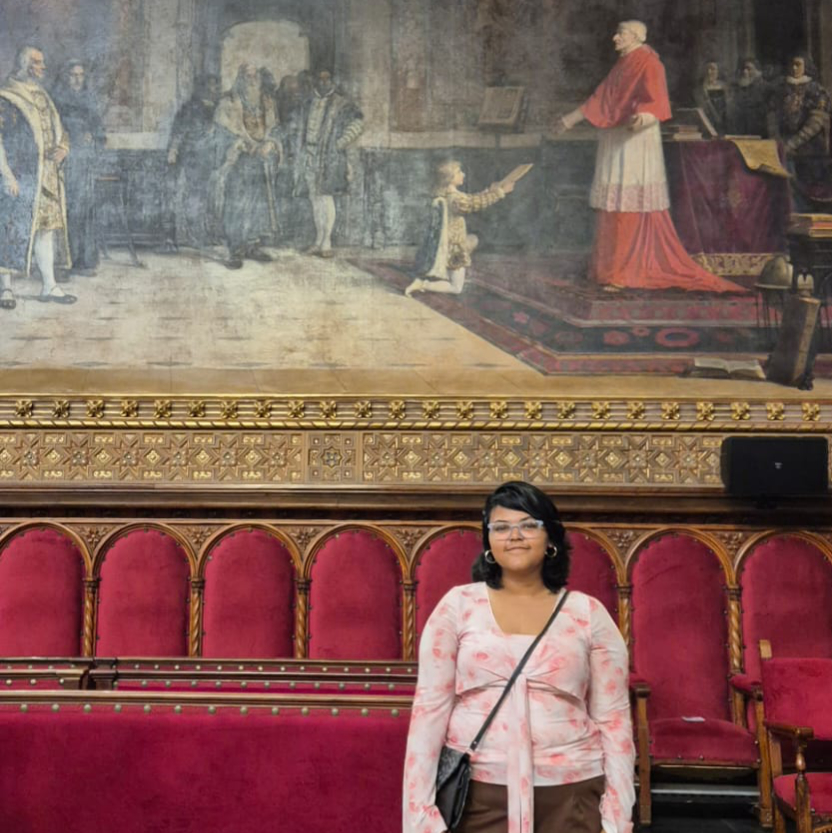
I am a master's student on the Computational Neuroscience and AI track of the COG-SUP program, led jointly by Sorbonne Université and Université Paris Cité. My research interests broadly center around modeling neural population dynamics, particularly using dynamical systems approaches to infer their underlying low-rank structure. Previously, I modeled whole-brain dynamics with Hopf (Stuart-Landau) oscillators coupled through the structural connectome to investigate how these dynamics are disrupted as Alzheimer's disease progresses. Here in the lab, I am working on extending Keypoint MoSeq to reliably capture social behavioral syllables in mice. Building on my interest in dynamical systems, I leverage linear dynamical system models to capture interaction dynamics between animals.
Alumni
Jessica Lau
Master student (M1)
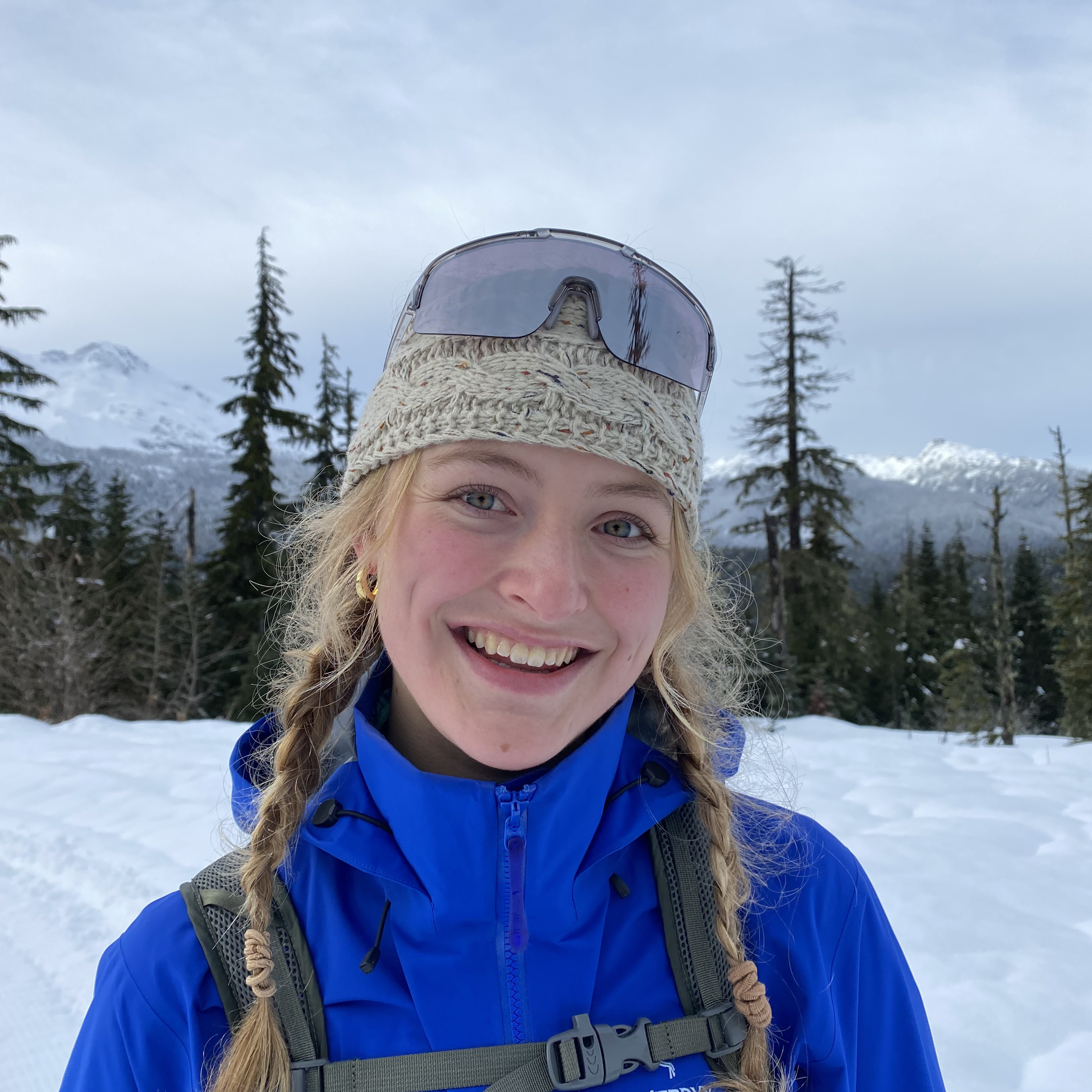
I am a Master’s student in Cognitive Science at ENS-PSL, in the cognitive modelling, neurotheory, and AI track. My research interests broadly focus on computational modelling of cognitive processes and behaviors, including decision-making, motor behaviors, and memory. Some of my previous research experiences have included investigating the role of dopamine in reinforcement learning models of reward-seeking behavior in mice, and exploring the role of social cognition in functional outcomes in clinical populations. In my current internship in the lab, I am adapting an unsupervised machine learning algorithm called Keypoint MoSeq for social behavioral modelling in mice. More precisely, I am extending the current algorithm, which relies on an autoregressive hidden markov model (AR-HMM), to capture interaction dynamics.